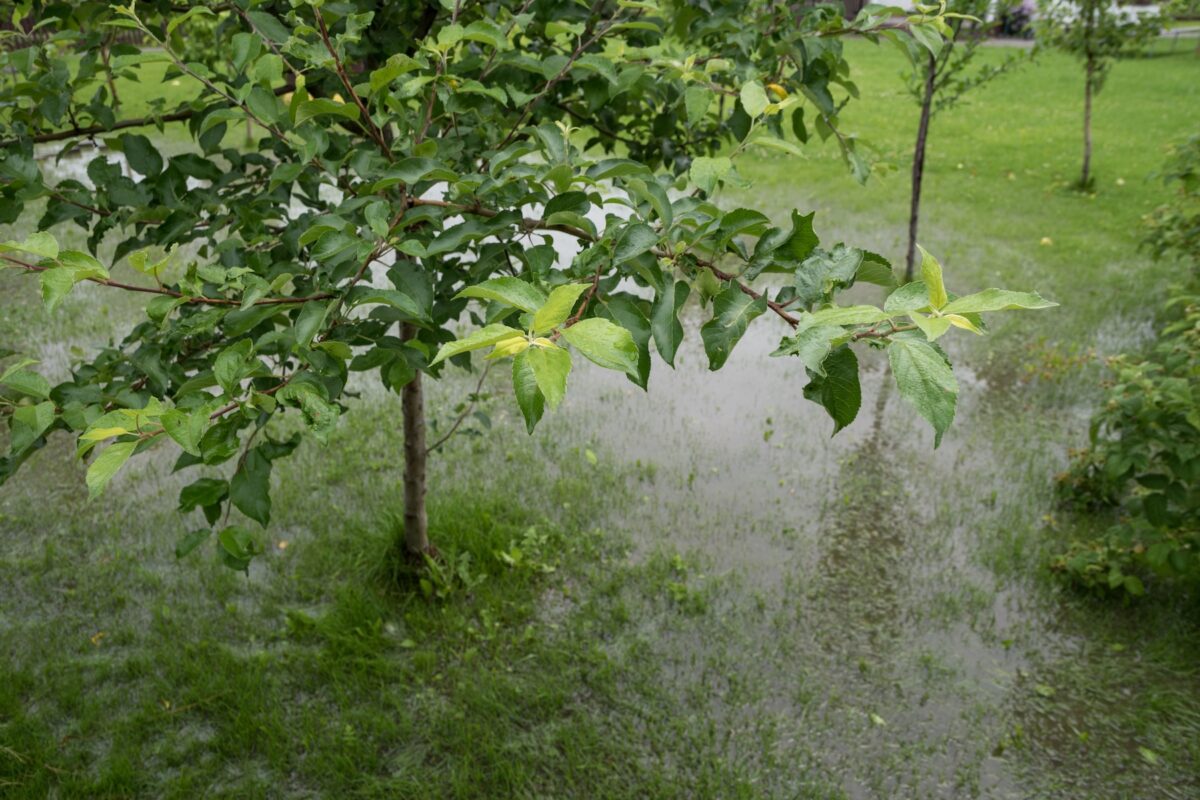
Living in South Louisiana means dealing with heavy rainstorms that can instantly turn your beautiful lawn into a swamp. Poor drainage around your home creates more than just an ugly nuisance or a muddy mess. If left unchecked, pooling water can kill your grass, attract pests, and cause severe structural damage to your home. If you want to protect your property, you need to implement reliable yard drainage solutions right away. Taking action now prevents massive repair bills and, with the help of experts like WCK Foundation Repair, keeps your home standing strong for decades. Here are a few of our tips for a dyer yard.
Understanding Louisiana’s Unique Soil
Before you can fix the water pooling in your lawn, you must understand the ground beneath your feet. South Louisiana features unique, clay-laden soil that reacts aggressively to moisture changes. When heavy rains soak your yard, this clay soil absorbs the water and expands significantly.
This expansion creates immense building pressure on the concrete slab that forms your foundation. It also wreaks havoc on pier and beam foundations by shifting the support structures. Or, a prolonged dry spell creates the exact opposite effect. As the clay soil dries out, it shrinks and retracts away from both slabs and piers. This retraction removes essential support from beneath your house.
When your yard constantly cycles between flooded and bone-dry, the soil essentially pulses against your foundation. This continuous movement creates new and additional damage over time, leading to cracked walls, sticking doors, and uneven floors. Controlling the water flow in your yard serves as the first step to protecting your home’s foundation from this pulsing damage.
6 Proven Tips for Yard Drainage Problems
Louisiana averages 57.05 inches of rainfall each year, and without proper drainage, all that water can lead to serious issues in your yard. Fixing your landscape to prevent standing water and other drainage-related issues requires the right approach. Here are six highly effective tips for yard drainage problems that will protect your property and give you peace of mind.
1. Install a PVC Drain
Do you have low spots in your yard that are always soggy? These areas naturally collect water, creating stubborn puddles that take days to evaporate. A solid PVC drainpipe is one of the best ways to remove this standing water.
A PVC drainpipe is designed to carry water from a specific problem area to a safe exit point, like a street gutter or a designated drainage ditch. We install a collection grate at the lowest point of your yard to catch the water, and the underground pipe carries it away. This targeted approach efficiently removes excess water and prevents it from causing damage.
2. Extend Your Downspouts
Sometimes, the most damaging water comes straight off your roof. When your gutters dump thousands of gallons of rainwater directly next to your foundation, the clay soil expands immediately. One of the easiest and most cost-effective tips for yard drainage problems involves extending the downspouts around your house.
You can purchase simple plastic or metal extensions at any local hardware store. Attach these extensions to the bottom of your existing downspouts to channel water at least five to ten feet away from your foundation. This small adjustment pushes the moisture away from the critical soil supporting your home.
3. Install a Channel Drain
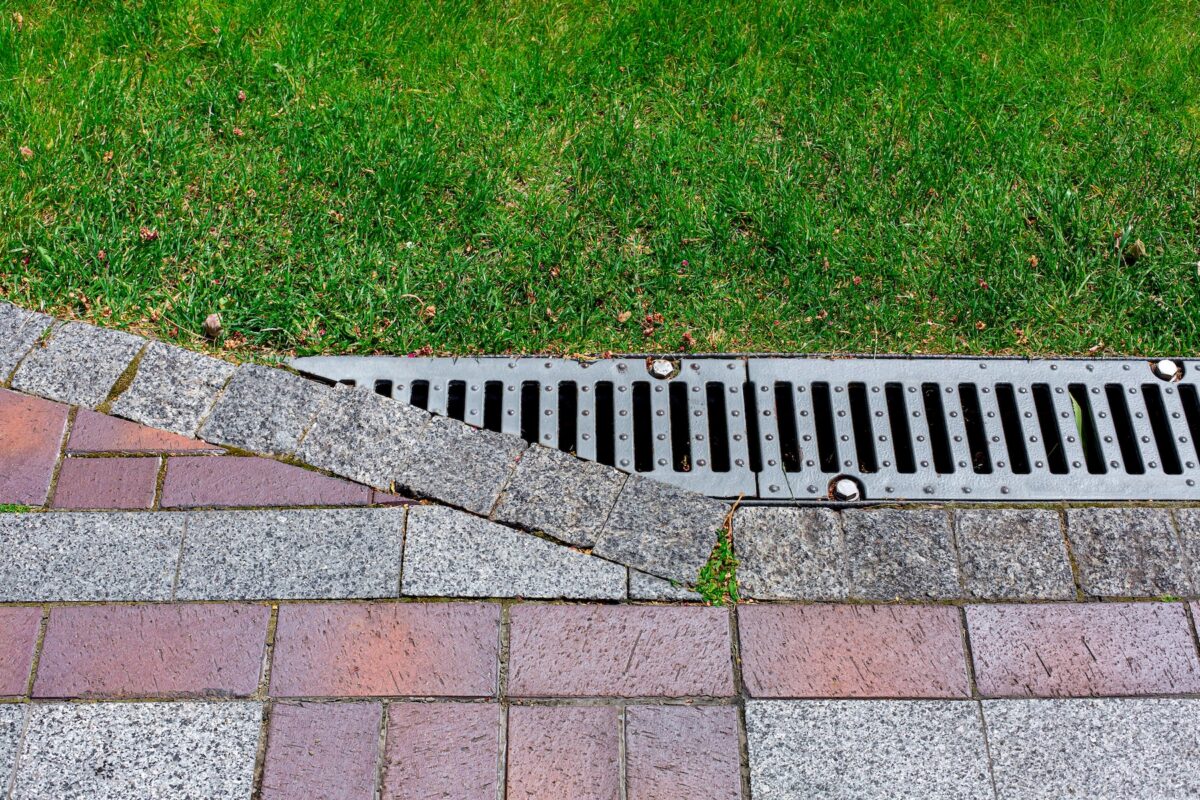
A channel drain is an excellent solution for managing surface water on paved surfaces like driveways, patios, and pool decks. This system features a long, narrow trench with a grate on top that sits flush with the surrounding surface. Water flows across the pavement, enters the drain through the grate, and is carried away through a solid pipe to a safe discharge point away from your home.
Channel drains are highly effective at preventing water from pooling on hardscapes and seeping into your foundation or garage. Their clean, linear appearance integrates seamlessly into paved areas, providing a practical and aesthetically pleasing drainage solution.
4. Regrade Your Yard
Your lawn should naturally encourage water to flow away from your house. Unfortunately, homes settle over time, and landscaping projects often change the elevation of your yard. If the dirt around your home slopes toward your brick or siding, water will always pool against your foundation.
To fix this, you need to regrade the soil. Add dense dirt around the perimeter of your home to create a slope that drops about six inches for every ten feet of distance away from the foundation. Proper grading uses gravity to your advantage, moving water naturally and safely away from your living space.
5. Install a Catch Basin
South Louisiana storms drop massive amounts of water in a matter of minutes. When surface water accumulates faster than the ground can absorb it, you need a high-capacity solution. Catch basins act like large buckets buried in your yard with a grate on top.
These basins collect heavy runoff and trap debris, leaves, and dirt at the bottom. The water then exits through a connected pipe located midway up the basin. Catch basins prevent your underground pipes from clogging while moving high volumes of water out of your yard rapidly.
6. Sump Pumps
When your yard is prone to flooding or water tends to accumulate in low-lying areas near your home, a sump pump offers an efficient solution. Installed in a pit, typically in the lowest part of your basement or crawl space, sump pumps actively remove water by pumping it away from your home’s foundation. This helps prevent foundation-level flooding, structural damage, and mold growth. For properties in areas with heavy rains or high water tables, sump pumps work as a reliable safeguard to keep water damage at bay.
Finding the Right Drainage Solutions for a Soggy Yard
Applying these strategies requires a bit of planning, but the payoff is immense. When you look for drainage solutions for a soggy yard, always consider the natural slope of your property and the specific areas where water tends to sit longest.
You should also clear your gutters regularly. Clogged gutters spill water directly over the sides, rendering your downspouts useless. By combining clean gutters with underground pipes, you create a comprehensive system that handles even the heaviest local downpours. Follownig these tips for a dryer yard also helps you reclaim your outdoor living spaces. Enjoy backyard barbecues without wading through mud, all while knowing your foundation remains secure.
Ultimately, figuring out how to keep your yard dry protects the structural integrity of your home. By following these tips for yard drainage problems, you eliminate the constant swelling and shrinking of the clay soil, which stops the damaging foundation pulse in its tracks.
Contact WCK Foundation Repair Today
If you still struggle with standing water, or if you suspect your home already suffers from settlement damage, you need expert help. Do not let poor water management destroy your biggest investment.
Contact WCK Foundation Repair today. We understand the exact challenges that Louisiana soil presents, and we offer professional drainage services that effectively prevent foundation damage.
Whether you need a free estimate on your foundation or a custom drainage solution, our team is ready to help. Message us online for a free drainage estimate or call us at 225-664-5956 today to secure your home’s future!