Your home rests on one of the most important parts of the structure: the foundation. Yet many homeowners rarely think about it until problems appear. If you want to better understand your home, it helps to know how foundations evolved and how today’s foundation repair methods, types of foundation repair, and services in Greater Baton Rouge and Ascension Parish protect homes from long-term damage. This history also shows why modern repairs matter so much in South Louisiana, where moisture, shifting soil, and drainage issues can put steady stress on a home.
A Brief History of Home Foundations
People have built foundations for thousands of years. Early builders used simple materials like wood, reeds, clay, mud, and stone to create stable bases for shelters and storage spaces. Later, ancient cultures improved those designs. Some used reeds to separate structures from wet soil. Others built on stone, sand, or bedrock to create stronger support.
As building knowledge improved, foundation design became more practical and durable. Reinforced concrete changed construction in the 1800s. Then, during the 1900s, concrete slab foundations became far more common because builders could install them faster and more efficiently.
That shift still affects homeowners today. Many homes now sit on slab foundations, while others use raised systems with piers and beams. Because homes differ, the right repair depends on the structure, the soil, and the source of the problem. That is why understanding the history behind foundation repair methods and the different types of foundation repair still matters for homeowners in Greater Baton Rouge and Ascension Parish.
How Foundations Changed Over Time in Greater Baton Rouge and Ascension Parish
Homes in South Louisiana face conditions that builders in other regions do not always have to manage. Heavy rain, high humidity, and moisture-sensitive soils can all affect how a foundation performs. As a result, foundation design in Greater Baton Rouge and Ascension Parish must address both structural support and water control.

Why Local Soil and Moisture Matter
Clay-rich soil can expand when it absorbs water and shrink when it dries out. That constant movement places stress on slabs, piers, and beams. Over time, the cycle can lead to cracking, shifting, or uneven support.
For homeowners in Greater Baton Rouge, this means drainage and soil movement often play a direct role in foundation trouble. The same holds true across Ascension Parish, where long wet periods and intense storms can worsen existing issues.
Because of these local conditions, homeowners benefit from repair plans that address the cause of movement, not just the symptom. That is where updated foundation repair methods become so important.
The Early Types of Foundation Repair
In earlier decades, foundation work often required more manual labor and more disruption around the home. Crews commonly excavated around the structure, added supports, and used basic materials like timber and concrete to stabilize weak areas.
These older types of foundation repair helped in some cases, but they often lacked the precision that modern homeowners expect. They also did not always account for long-term moisture changes or soil behavior. As a result, repairs sometimes solved one issue without preventing another.
Common Limitations of Older Repairs
Older repair approaches often came with several drawbacks:
- More disruption to landscaping
- Less precise leveling
- Fewer options for different foundation types
- Limited ability to address changing soil conditions
This is why modern foundation repair techniques have become so valuable. Today, homeowners want more than a short-term patch. They want stability, durability, and a repair plan that fits their property.
Modern Foundation Repair Methods Homeowners Should Know
Today’s foundation repair methods offer more targeted solutions than older approaches. Repair professionals now use better tools, stronger materials, and more site-specific planning. That gives homeowners a better chance at long-term performance.
Some widely used repair options include drilled piers, leveling systems, crack repair products, and drainage improvements. However, not all solutions do the same job. Some help lift and support a settling foundation. Others help manage moisture or limit further movement.
Understanding the Types of Foundation Repair
The best types of foundation repair depend on the issue at hand. A home with settlement may need deep support. A home with moisture intrusion may need drainage changes along with structural work. A raised home may require a different approach than a slab home.
Examples of repair categories include:
- Deep support systems, such as piers
- Surface-level crack sealing
- Concrete lifting or leveling methods
- Support adjustments for raised foundations
- Drainage improvements to move water away from the foundation
For homeowners in Greater Baton Rouge, choosing among these types of foundation repair requires local knowledge. Moisture and soil movement can work together, so the fix should match both the foundation and the environment.
Foundation Repair Methods for High-Humidity Environments
South Louisiana homeowners need solutions that fit the climate. High humidity and heavy rainfall can create moisture problems around and under a home. That makes foundation repair methods for high-humidity environments especially relevant in this region.
Humidity alone does not cause every foundation issue. However, excess moisture can contribute to soil expansion, mold growth, wood rot, and drainage problems. And when water collects near the home, the risk grows.
Why Moisture Control Supports Long-Term Repairs
Good repairs often work best when paired with smart water management. That may include:
- Improving drainage around the home
- Directing roof runoff away from the foundation
- Addressing standing water
- Reducing excess moisture near crawl spaces
These steps matter in Ascension Parish, where weather patterns can quickly saturate the ground. They also matter across Greater Baton Rouge, where repeated wet-dry cycles can put pressure on foundations year after year.
That is one reason foundation repair methods and drainage solutions often go hand in hand.
Modern Foundation Repair Techniques and What They Mean for You
It’s easy to feel overwhelmed by structural issues. However, learning a few basics about foundation repair can make the process much easier. Modern foundation repair techniques aim to improve accuracy, reduce unnecessary disruption, and create stronger long-term support.
For example, modern repair planning often considers:
The Home’s Foundation Type
A slab foundation and a raised foundation do not behave the same way. Each one needs its own repair approach that suits its design.
The Soil Beneath the Home
Soil movement often drives foundation damage. A repair plan should account for how the ground responds to moisture.
The Drainage Around the Property
Without proper water control, even strong repairs can face ongoing stress. That is why drainage deserves close attention.
When homeowners in Greater Baton Rouge understand these basics, they can make more informed decisions about foundation repair methods and the right types of foundation repair for their homes.
Signs Homeowners Should Never Ignore
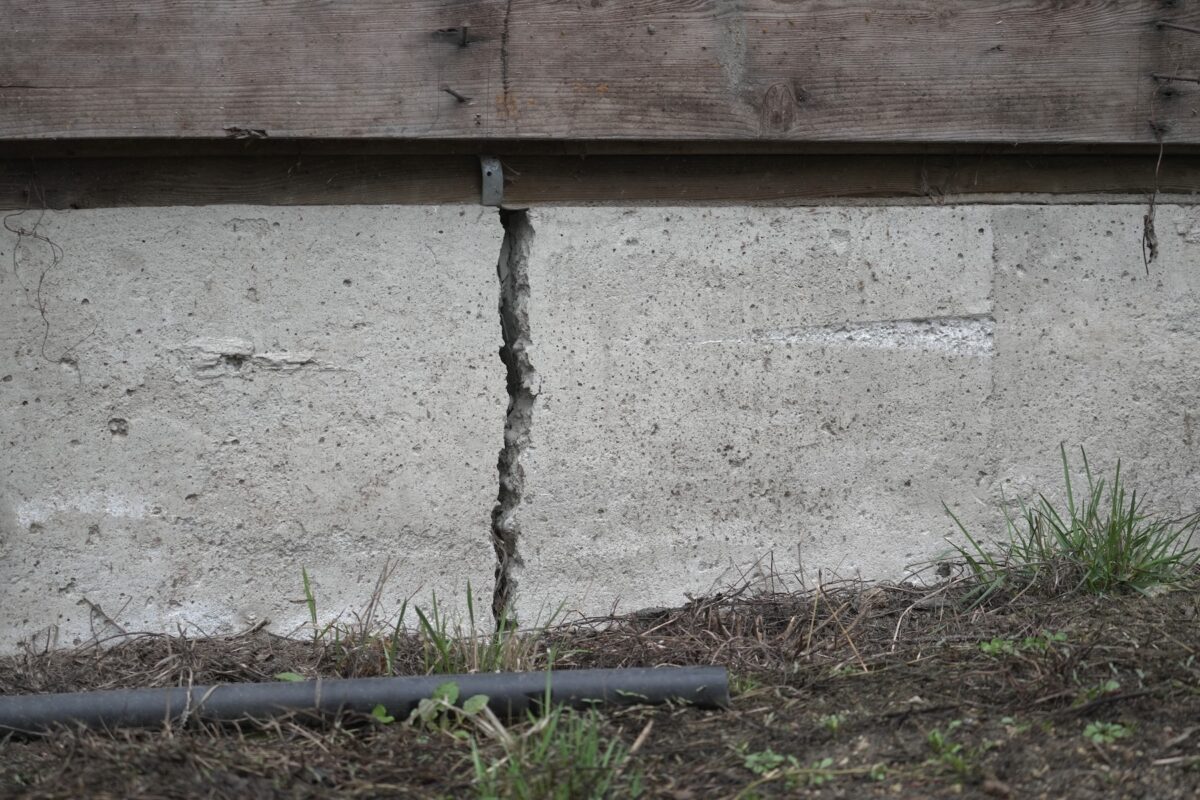
The history of foundations tells us one thing clearly: small issues rarely stay small forever. If your home starts to shift, you may notice warning signs before major damage appears.
Watch for issues such as:
- Cracks in walls or floors
- Doors or windows that stick
- Uneven floors
- Gaps around trim or exterior materials
- Water collecting near the foundation
These signs do not always point to the same cause. Still, they all deserve attention. In Ascension Parish and Greater Baton Rouge, fast action can help prevent more costly repairs later.
Why Local Experience Matters
Foundation problems do not happen in a vacuum. Soil, drainage, weather, and home design all play a part. That is why homeowners should work with a company that understands local conditions.
A local team can better evaluate which foundation repair methods fit the property, which types of foundation repair make sense, and how moisture may continue affecting the home. In South Louisiana, that local knowledge can make a real difference.
Protect Your Home With WCK Foundation Repair
Your foundation supports everything above it. So when problems start, you need answers you can trust. At WCK Foundation Repair, we help homeowners protect their properties with proven foundation repair methods, drainage solutions, and repair plans tailored to the needs of homes in Greater Baton Rouge and Ascension Parish.
Whether you need help understanding the right types of foundation repair, addressing moisture concerns, or protecting your home for the long run, our team is here to help. We bring local experience, practical solutions, and a clear focus on protecting your property.
Message us today or call 225-664-5956 to learn how WCK Foundation Repair can help protect your home.